
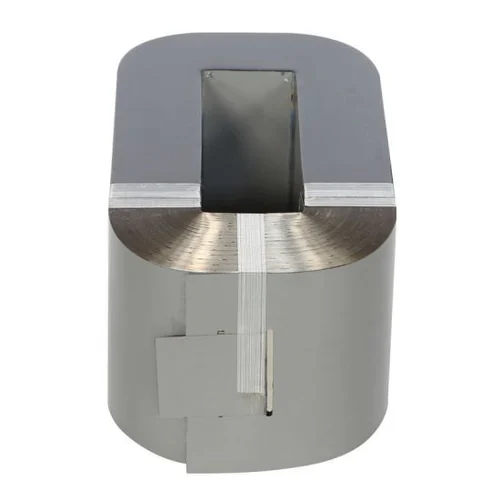
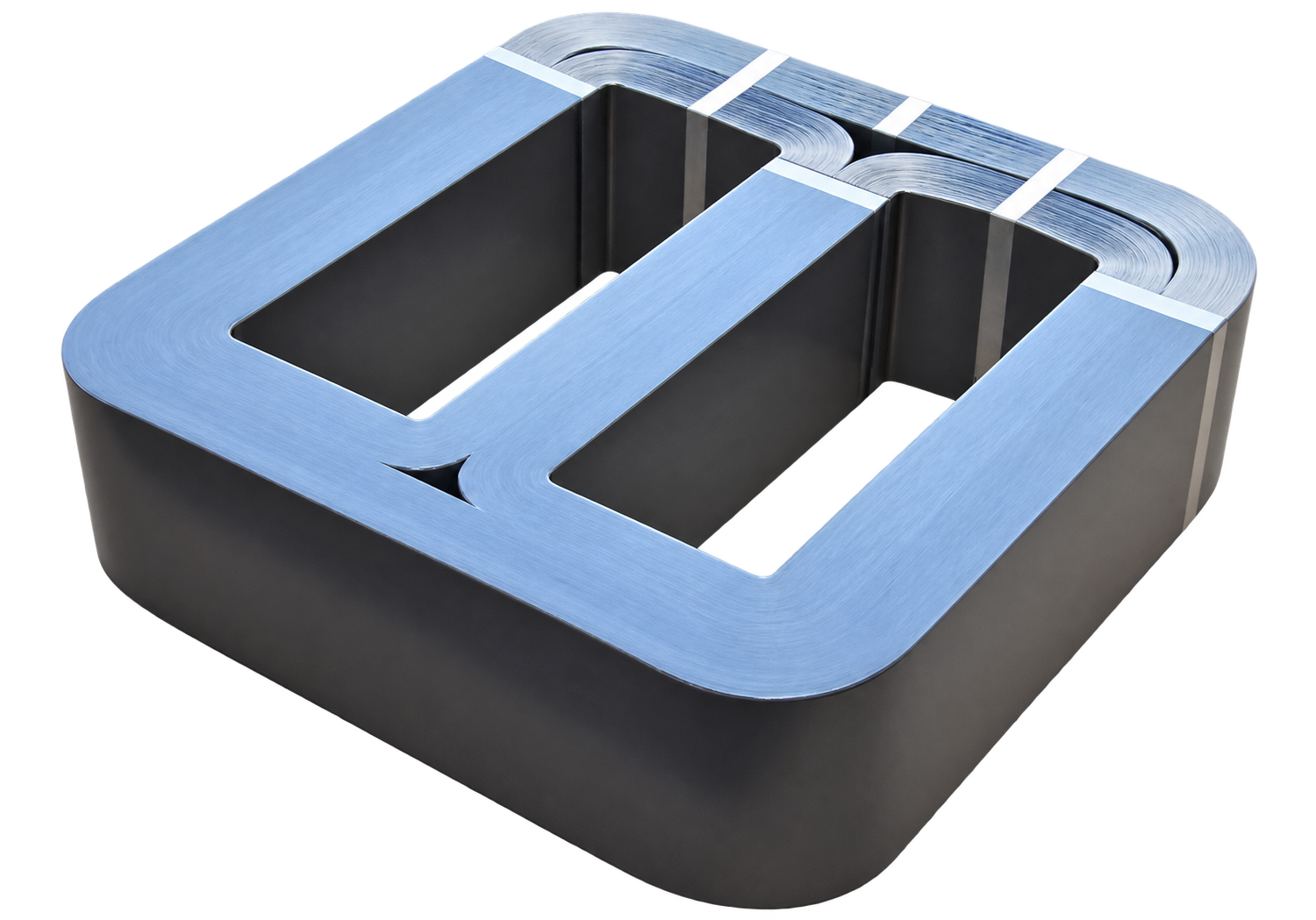
Amorphous Magnetic Metal used for Transformer cores does give the possibility of decrease core losses compared to standard core steel materials. The magnetic core of this transformer is made with amorphous metal, which is easily magnetized/demagnetized.
A comparison between amorphous metal and CRGO steel in terms of properties is presented below:
| Properties | Amorphous Metal | CRGO |
|---|---|---|
| Density | 7.15 | 7.65 |
| Specific Resistance | 130 | 45 |
| Saturation Flux Density, (Tesla) | 1.56 | 2.04 |
| Thickness, (mm) | 0.025 | 0.27 |
| Space Factor | 0.86 | 0.97 |
| Brittleness | Higher | Lower |
| Annealing Temperature, (°C) | 360 | 810 |
| Annealing Atmosphere | Inert Gas | Inert Gas |
| Special Annealing Requirement | Magnetic Field Annealing | – |
| Coefficient of Rolling | 94.80% | 82% |
| Available Form | Ribbon/Foil | Sheet/Roll |
| Typical Core Loss (W/Kg) (At 50Hz, 1.4 Tesla) | 0.2 | 0.90 |
Amorphous Meal material allows the construction of a low-loss core. Amorphous metal is extremely thin, has high electrical resistivity, and has little or no magnetic domain definition. Cores made from this material can exhibit 60-70 percent lower core losses than one made of conventional steels.
Product Portfolio
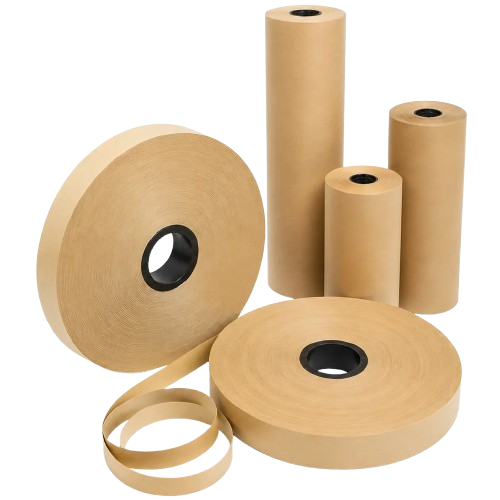
Electrical Grade Insulating Kraft Paper
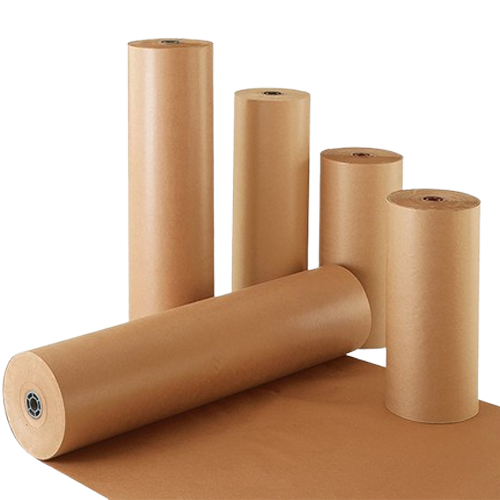
Press Paper
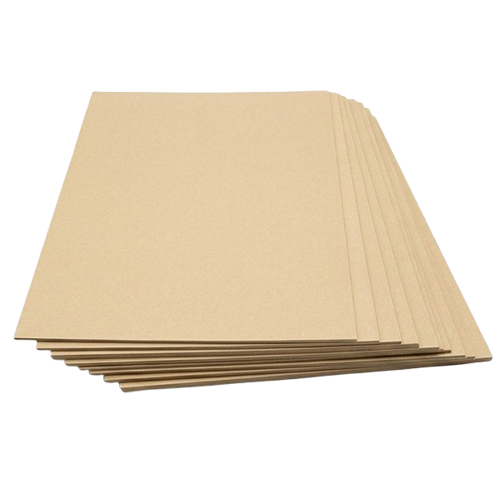
Insulation Pre-Compressed Press Board / High Density
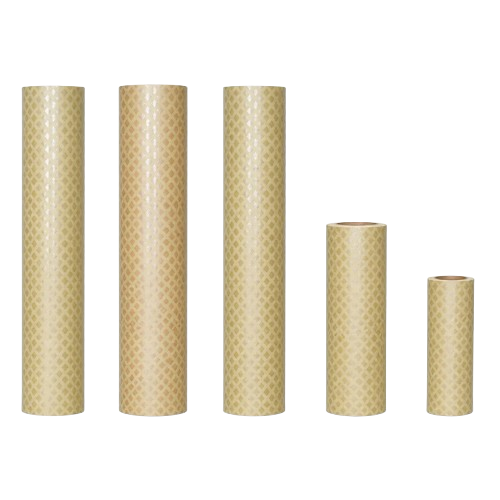
Diamond Dotted Paper
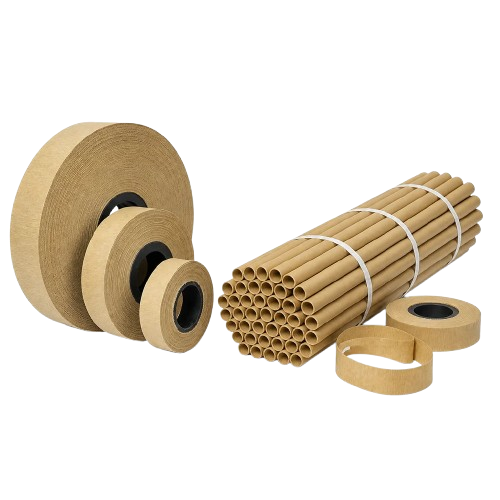
Crepe Paper and Tubes

Transformer Winding Kits Components
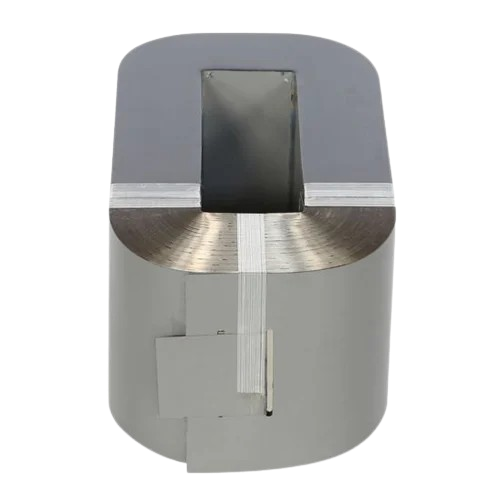
Amorphous Alloy Metal Core
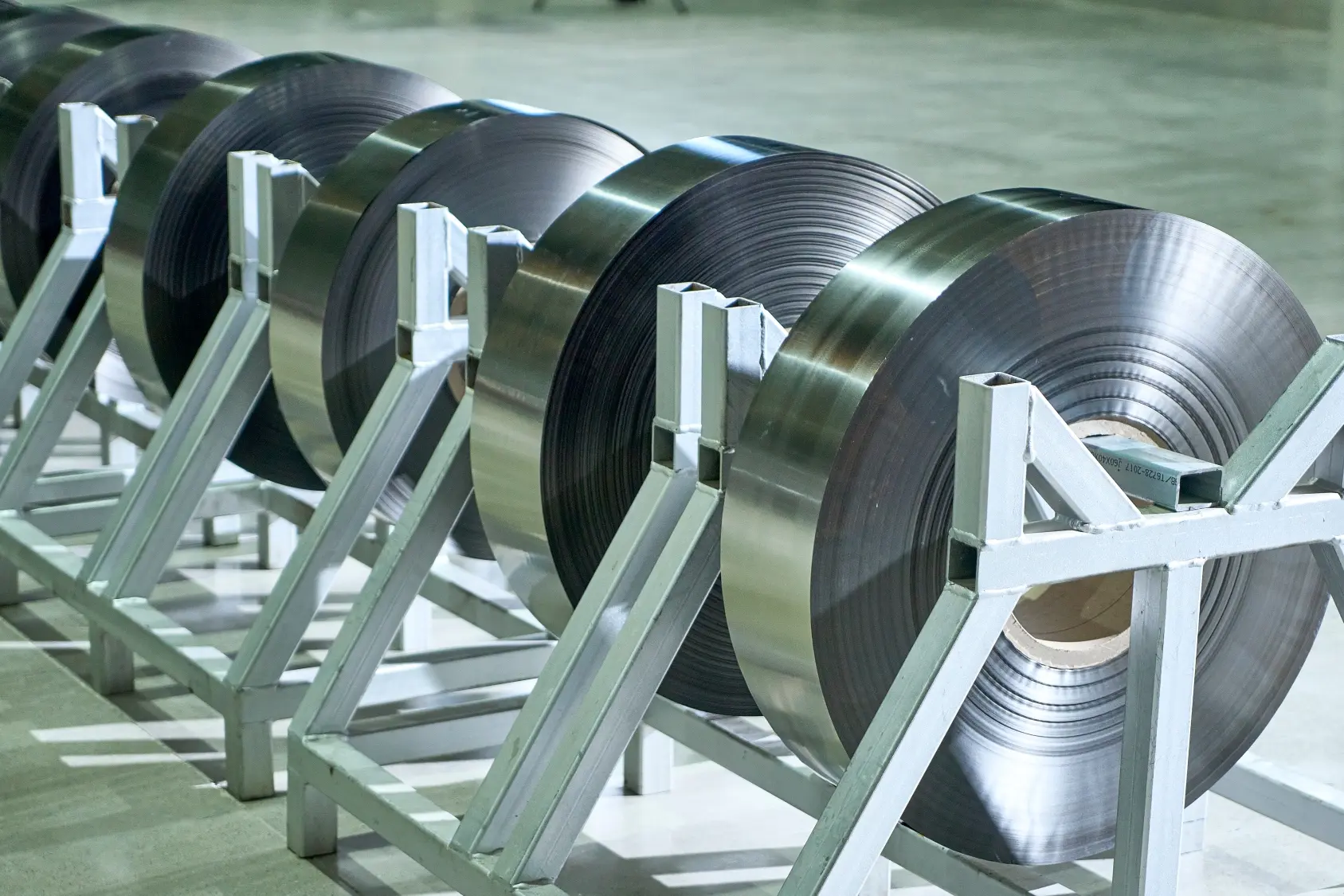
Amorphous Alloy Ribbon

Internal Oil Immersed Circuit Breaker
